
Drainage 5 min read
What Causes Blocked Drains? The Most Common Culprits
Fat, wet wipes, tree roots, or something more serious — here are the most common causes of blocked drains and how to avoid them.
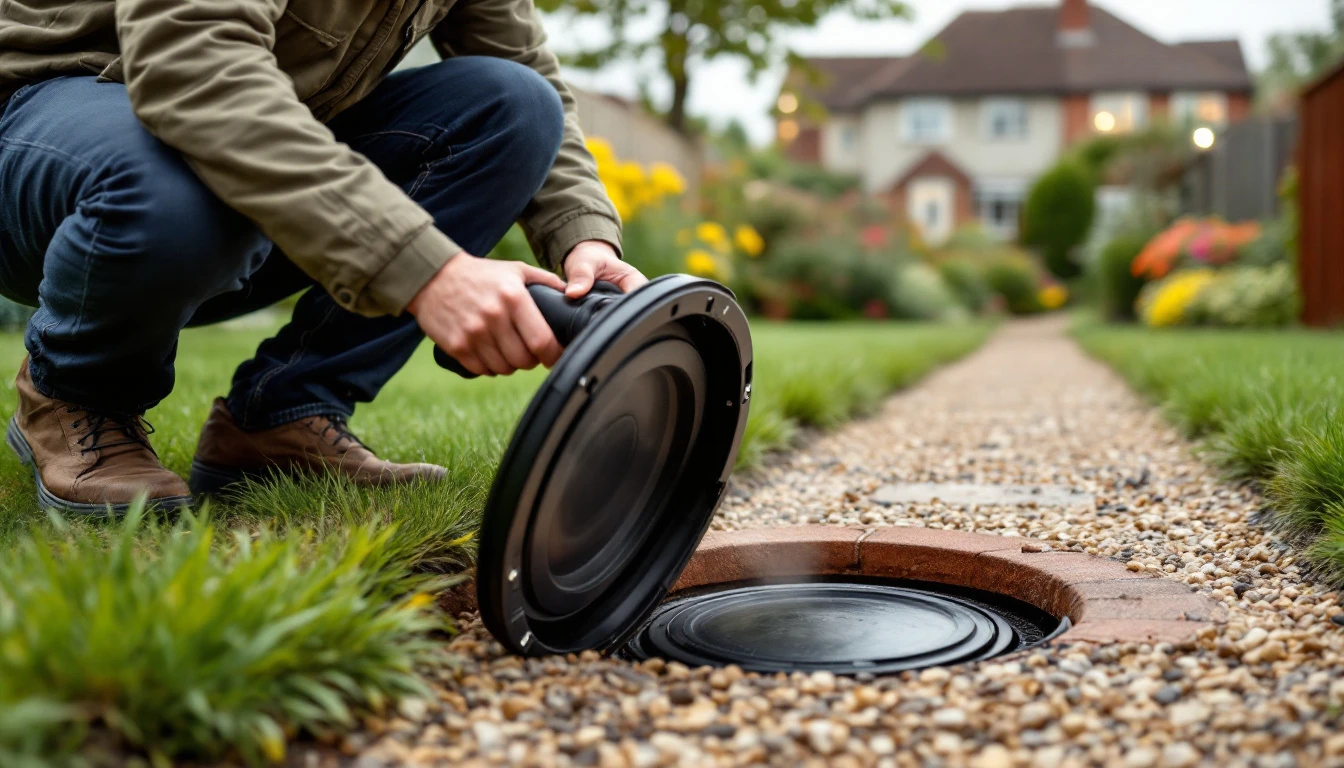
Blocked drain outside your house? Whether it's your responsibility or the water company's depends on exactly where the blockage is.
If the blocked drain is entirely within your property boundary and serves only your home, it’s your responsibility. If it’s a shared sewer serving multiple properties, it’s Anglian Water’s. The confusion usually comes from not knowing exactly where your pipes end and the shared network begins — here’s how to work it out.
You (or your landlord, if you rent) are responsible for:
If the blockage is anywhere in this section, it’s a normal call-out — get it cleared and move on.
Anglian Water is responsible for:
This second category catches a lot of people out. Many Victorian and older properties share a single drain run with neighbouring houses — if that shared section blocks, it’s the water company’s job to fix, not yours, even though part of it may be on your land.
None of this matters much if water is backing up into your bathroom or garden right now — that’s a problem to solve today, not a liability question to research first. In practice, most people call a plumber, get the blockage cleared, and only then work out whether to claim the cost back from the water company if it turns out to be their section. We can usually tell you on the day, once we’ve located exactly where the blockage is, whether it looks like it’s within your boundary or part of a shared run — which at least points you in the right direction if you do want to follow up with Anglian Water afterwards.
Responsibility rules changed in 2011 (under DEFRA’s sewer transfer scheme) — many previously “private” shared drains were transferred to water companies. So if you’ve owned your home a long time and remember drains being your problem before, that may no longer be true for a shared section.
For more on what actually causes blockages in the first place, see our guide on what causes blocked drains.
Don’t wait to establish liability before dealing with standing water or sewage — that’s a health and property risk. Get the blockage cleared first (we can usually attend the same day for blocked drains in Norwich), then sort out who’s responsible for the cost afterwards. If it turns out to be Anglian Water’s section, we’ll tell you and help you report it.
Get in touch if you’ve got a blocked drain and aren’t sure who’s responsible — we’ll take a look and give you a straight answer either way.
Tell us your postcode and what you need — we'll reply within 1 working day.
Fat, wet wipes, tree roots, or something more serious — here are the most common causes of blocked drains and how to avoid them.
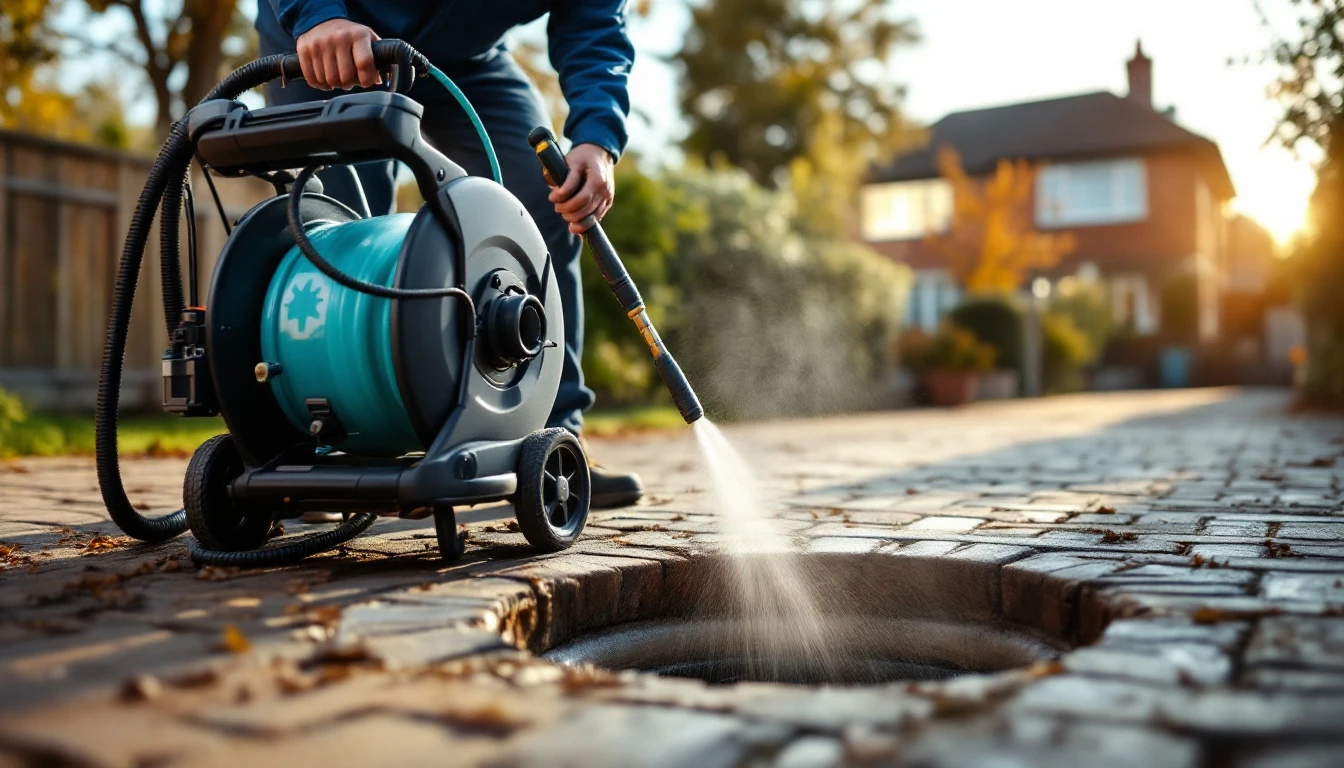
Most blocked drains don't need digging up. Here's how rodding, jetting, and CCTV surveys clear blockages without touching your garden or driveway.
Get in touch today for a free, no-obligation quote. We cover Norwich and the surrounding area.