Drainage 5 min read
What Causes Blocked Drains? The Most Common Culprits
Blocked drains have a few common causes: fat, wet wipes, tree roots, or something more serious. Since prevention is simple, here's how to avoid them.
Most blocked drains don't need digging up. Since rodding, jetting, and CCTV surveys clear them, your garden stays untouched.
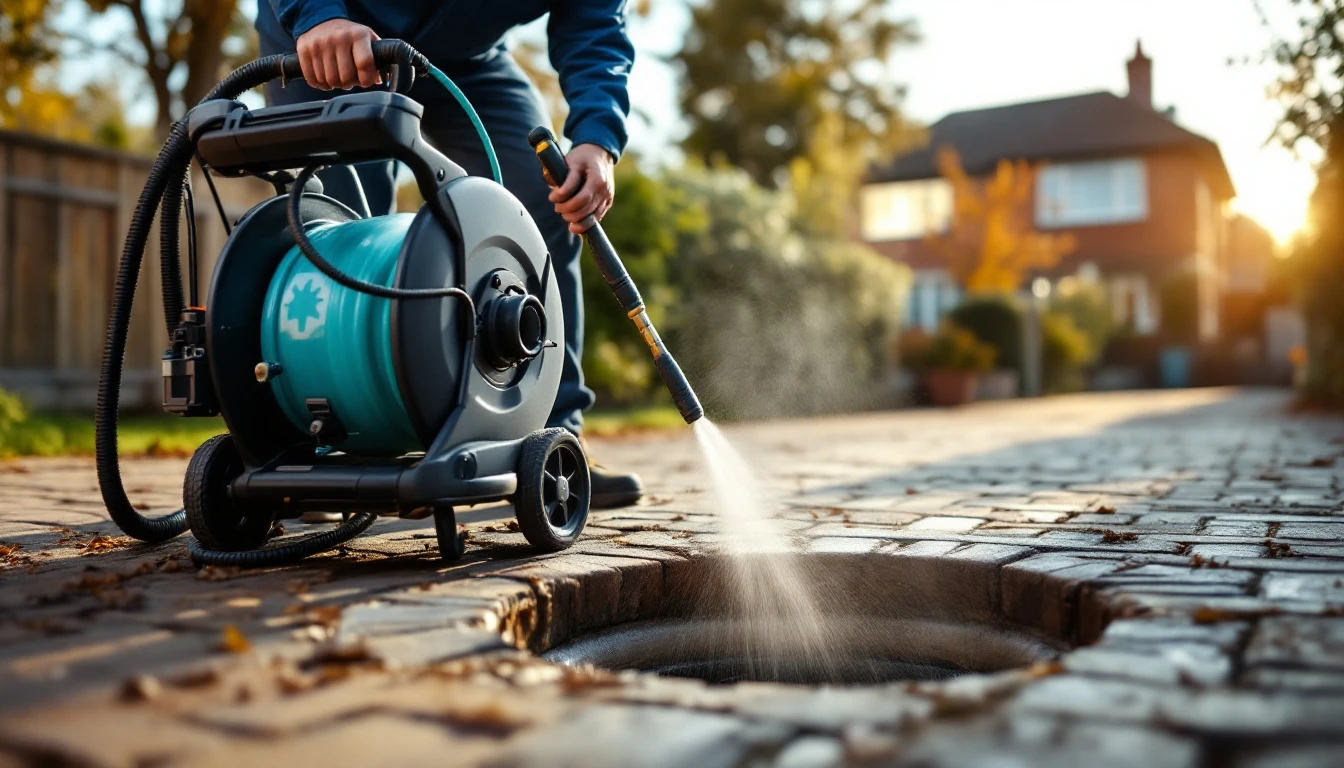
We clear almost all blocked drains without any digging. We use drain rods or high-pressure water jetting, fed into the pipe through an existing manhole or inspection chamber. We only dig if the pipe itself is physically damaged, not just blocked.
Drains bring to mind ripped-up gardens and driveways, although that’s almost never how a blockage gets fixed. Every drain run has access points — manholes or inspection chambers — built in so we can clear and inspect it without excavation. A plumber works through these instead of digging along the pipe’s length.
We feed flexible rods through the access point and push them along the pipe. They break up and push through soft blockages, like fat, hair, or minor debris. It’s quick, effective for straightforward jobs, and usually the first method we try.
A jetting machine sends water through a hose at high pressure via a nozzle. This cuts through tougher blockages and scours the full inside of the pipe clean, not just a channel through the middle. It’s more thorough than rodding, particularly for grease build-up. It’s often used as a follow-up even after rodding clears the blockage, to stop it recurring quickly.
For blockages that keep coming back, or where the cause isn’t obvious, we feed a camera through the pipe to see what’s going on. This might show root intrusion, a cracked joint, a collapsed section, or just a badly angled run that collects debris. The survey tells us whether the problem is something FOG, wipes, or hair related, or something structural.
A survey is also useful before buying a property with an older drainage system, and it’s also worth doing before landscaping work, since that way you know where the pipe run is before you dig. This matters especially if you’re buying a period home in Wymondham, where original clay drainage runs are common.
Most call-outs follow a simple pattern. We locate the nearest access chamber, assess how bad the blockage is, then rod or jet as needed. For a single blocked sink or a simple external blockage, we usually finish within the hour. That’s true whether it’s a terraced house in Norwich or a farmhouse drain run near Wymondham. For anything more stubborn, we follow jetting with a quick camera check. This confirms the pipe is genuinely clear, not just partially opened, so you know it won’t block again within days.
Only when the pipe itself is physically damaged:
Even then, however, modern no-dig repair techniques can often fix structural problems without excavation. Pipe relining, for example, cures a new lining inside the existing pipe. Full excavation is genuinely a last resort now, not a routine part of drain clearance. This can be a useful option for older pipe runs out towards Dereham, since it avoids digging up a driveway or garden.
We clear blocked drains across Norwich and Norfolk, almost always without any digging, including runs out towards Attleborough. Get in touch with your postcode and we’ll get it sorted.
Tell us your postcode and what you need — we'll reply within 1 working day.
Blocked drains have a few common causes: fat, wet wipes, tree roots, or something more serious. Since prevention is simple, here's how to avoid them.
A blocked drain outside your house could be yours or the water company's to fix. Since it depends on location, here's how to tell.
Get in touch today for a free, no-obligation quote. We cover Norwich and the surrounding area.