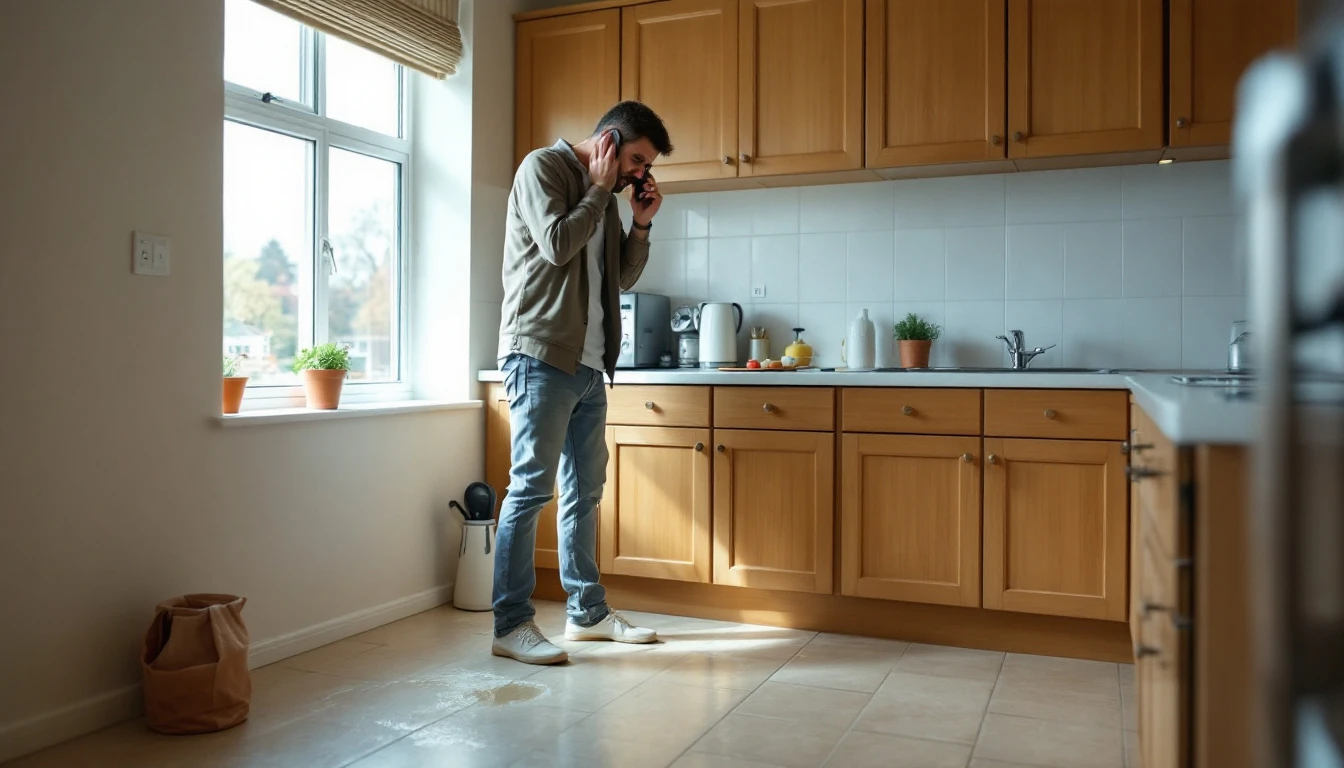
Emergency 5 min read
What Counts as a Plumbing Emergency?
Not every plumbing problem needs a same-day call-out. Here's how to tell a genuine emergency from something that can safely wait.
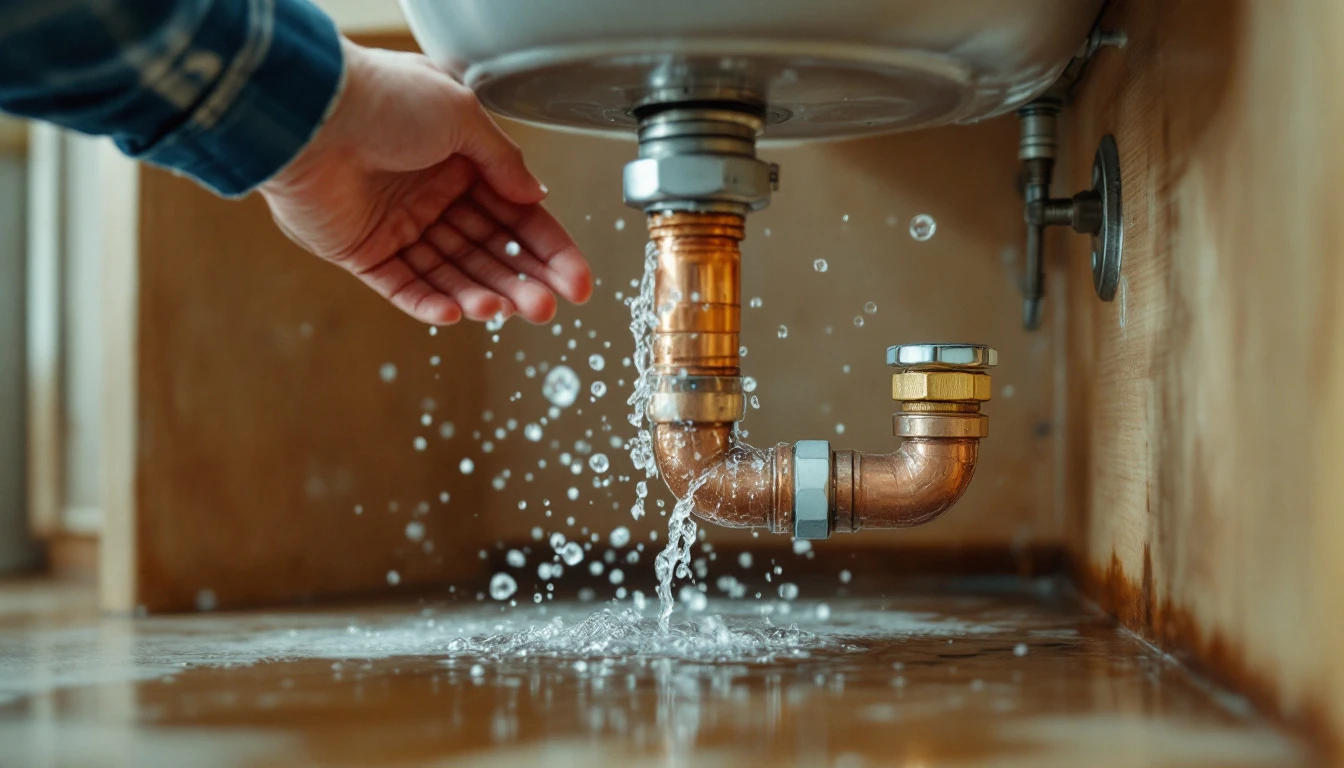
A burst pipe can flood a room in minutes. Here's exactly what to do in the first five minutes, and when to call an emergency plumber.
If a pipe bursts, turn off your mains stop tap immediately, then the electricity if water is anywhere near sockets or the fuse board, then call an emergency plumber. Every extra minute means more water damage — so here’s the exact order to work through, with no time wasted figuring out what to do first.
Your stop tap (sometimes called a stopcock) controls the water supply to your whole property. It’s usually:
Turn it clockwise until it stops. This won’t drain the pipe that’s already burst, but it stops any more water joining the leak.
If the leak is anywhere near sockets, light fittings, or your fuse board, turn off the electricity at the consumer unit before you do anything else. Don’t touch switches with wet hands, and don’t step in standing water near an electrical source. This is the one step worth pausing for, even in a rush.
Once the stop tap is off, open the highest and lowest taps in the house (e.g. an upstairs bathroom and a downstairs kitchen tap) to drain the remaining water out of the pipework and relieve pressure on the burst section. Flush toilets a couple of times too — this empties the cistern.
It’s tempting to grab towels first because the water is the obvious problem in front of you — but stopping the source (the stop tap) and removing the electrical risk always come first, because every minute you spend mopping while the tap is still on just means more water to deal with. The order above is deliberately sequenced so the highest-risk, most time-sensitive actions happen first, and the clean-up (which can continue at any pace) happens last.
Once the immediate danger is under control, get a professional to find and fix the actual burst. A DIY repair on a pressurised pipe rarely holds, and if the pipe is hidden in a wall or floor, you’ll need someone who can trace it without causing more damage.
We cover emergency plumbing across Norwich and the surrounding area, including Wymondham, Dereham, and Attleborough. If you’re not sure whether your situation counts as an emergency, our guide on what counts as a plumbing emergency can help you decide.
Once the leak is fixed, don’t rush to dry everything and move on — trapped moisture in walls or under flooring can cause mould weeks later, sometimes not becoming obvious until well after the initial drama has passed. A plumber can advise whether you need a genuine drying-out period (sometimes with dehumidifiers running for several days) or whether a damp specialist should check for hidden moisture behind plaster or under flooring. Your home insurer may also want photos and a written report of the repair for your claim, so it’s worth keeping a simple record — a few photos on your phone from during and after the incident is usually enough.
Burst pipes are often linked to frozen pipework in winter (water expands as it freezes, splitting the pipe), ageing pipework that’s simply reached the end of its life, or a sudden pressure spike in the system. If this is the second time it’s happened, or the pipe that burst is visibly old or corroded, it’s worth asking whoever fixes it whether nearby sections are at similar risk — a like-for-like patch on one section doesn’t tell you anything about the rest of the run.
If you’re dealing with a burst pipe right now, email us with your postcode and a brief description — we aim to respond the same day, across Norwich and Norfolk.
Tell us your postcode and what you need — we'll reply within 1 working day.
Not every plumbing problem needs a same-day call-out. Here's how to tell a genuine emergency from something that can safely wait.
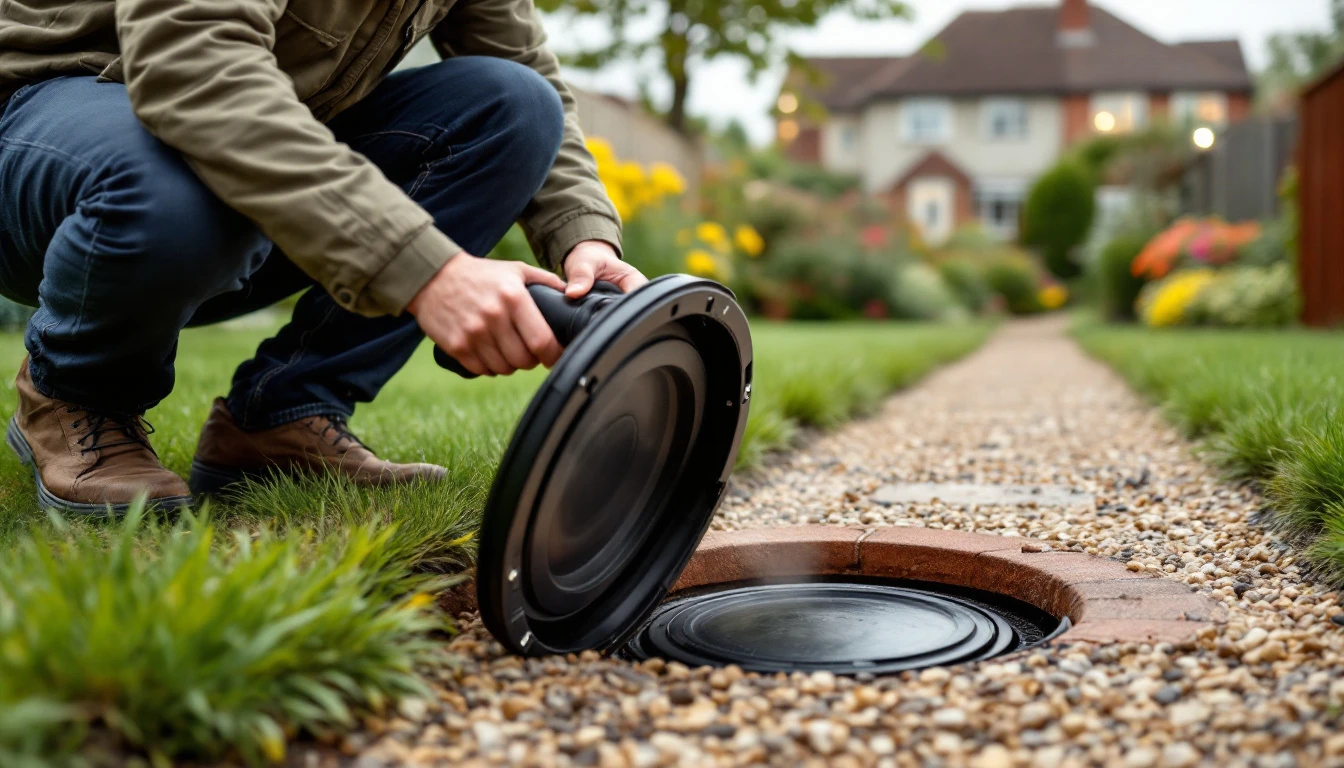
Blocked drain outside your house? Whether it's your responsibility or the water company's depends on exactly where the blockage is.
Get in touch today for a free, no-obligation quote. We cover Norwich and the surrounding area.