Emergency 5 min read
What To Do If a Pipe Bursts (Step-by-Step)
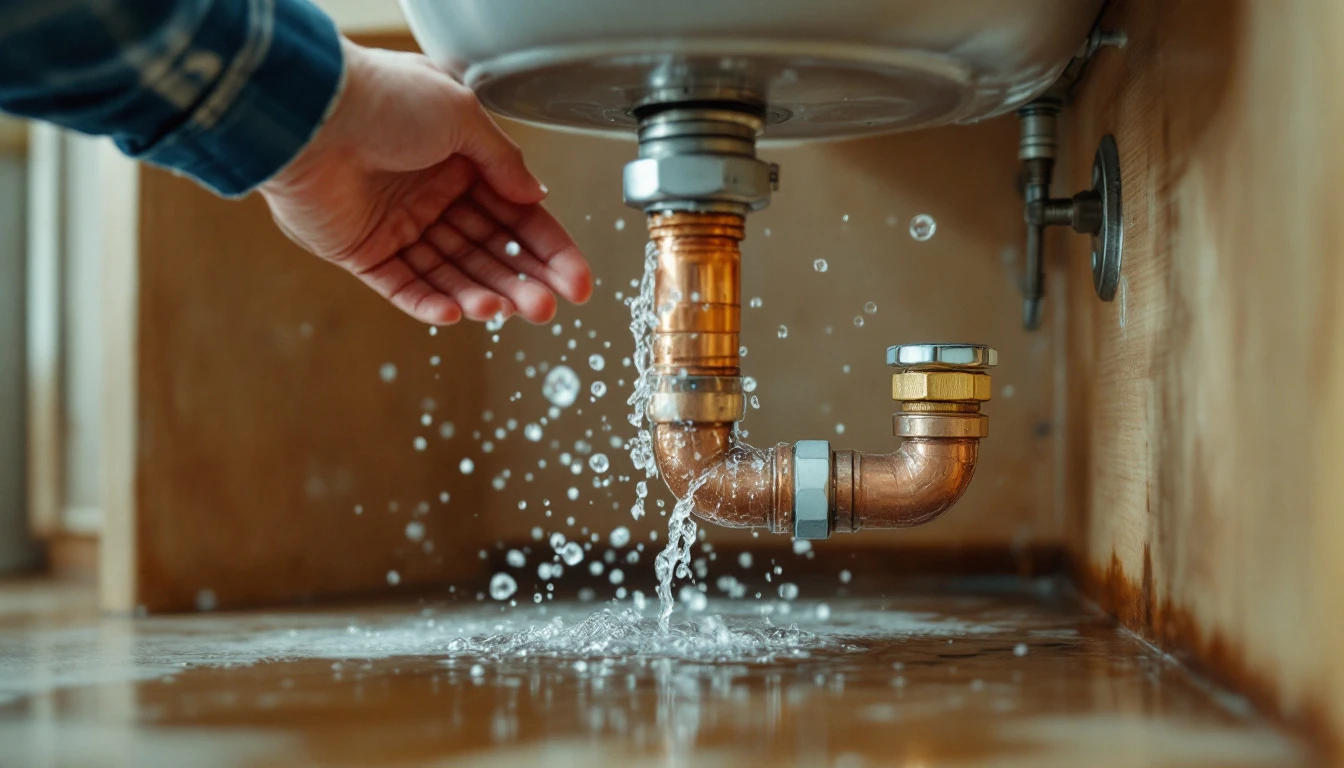
A burst pipe can flood a room in minutes. Here's exactly what to do in the first five minutes, and when to call an emergency plumber.
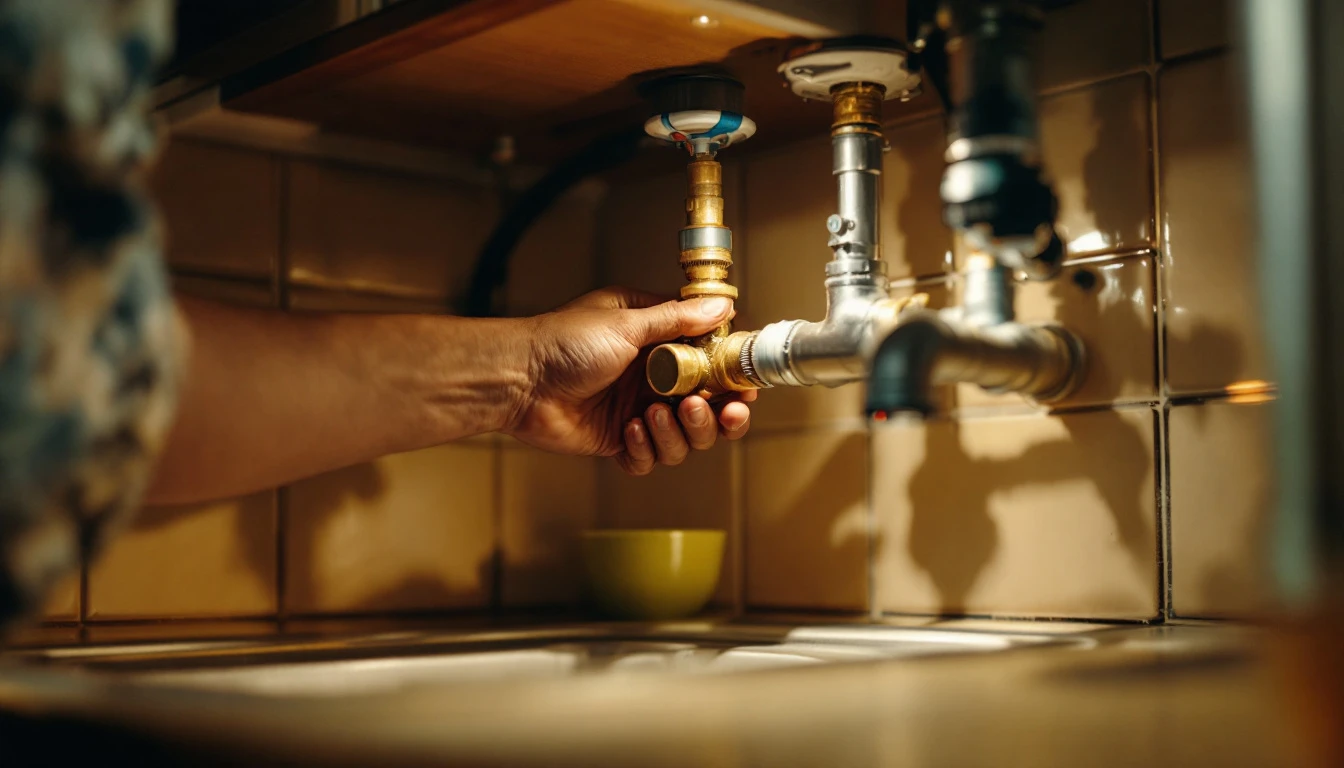
Knowing where your stopcock is — before you need it — can save serious damage in a plumbing emergency. Here's how to find and test yours.
Your stopcock controls the entire water supply to your home, and finding it now — before you ever need it — is one of the simplest things you can do to limit damage from a future burst pipe or leak. Here’s exactly where to look and how to check yours actually works.
Most UK homes have the internal stopcock in one of these spots:
Flats and some newer builds sometimes have it in a communal meter cupboard or a slightly less obvious spot — if you genuinely can’t find it, a plumber can identify it for you during any routine visit, which is worth asking about if you’re already having other work done.
There’s usually also an external stopcock in a small covered box near the property boundary or under the pavement, but that one typically needs a special key and is more for the water company’s use — the internal one is the one you actually need to know for day-to-day emergencies.
Usually a small chrome or brass valve with either a crosshead handle (like a tap) or a lever. It sits on the pipe where your water supply enters the building, before it splits off to different taps and appliances.
Turn the handle or lever clockwise (“righty-tighty”) until it stops. It should turn relatively smoothly on a stopcock that’s used occasionally — but if yours hasn’t been touched in years, it may be stiff with limescale or corrosion.
Turn firmly, but don’t force it. If it feels like it’s about to snap rather than turn, stop — a seized stopcock is a problem worth fixing now, not discovering mid-emergency.
This is the part people skip. A stopcock that works fine in theory is useless if:
Take five minutes some ordinary afternoon to locate yours, turn it off, run a tap to confirm the water actually stops, then turn it back on. If it’s stiff, hard to find, or doesn’t fully stop the flow, that’s worth sorting before you ever need it in a genuine emergency — see our guide on what to do if a pipe bursts for the full emergency sequence once your stop tap is confirmed working.
A seized, hard-to-reach, or faulty stopcock is a quick, inexpensive fix — and far better to sort now than to discover it doesn’t work while water is actively flooding your kitchen. Get in touch and we can check or replace it as part of any routine visit.
Once you’ve found and tested your stopcock, make sure anyone else in the household — a partner, older children, a lodger, or whoever’s likely to be home when you’re not — also knows where it is and how to use it. A stopcock only you know about is far less useful if you’re away when something goes wrong. It’s a two-minute conversation that could save serious damage.
While you’re checking your stopcock, it’s a good moment to also confirm you know how to read your water meter, particularly if you want to check for hidden leaks in future — see our guide on how to read your water meter for a simple leak-detection test you can run in ten minutes.
Tell us your postcode and what you need — we'll reply within 1 working day.
A burst pipe can flood a room in minutes. Here's exactly what to do in the first five minutes, and when to call an emergency plumber.
A simple, step-by-step guide to reading a domestic water meter in the UK — how to find it, understand the dials, and spot a hidden leak.
Get in touch today for a free, no-obligation quote. We cover Norwich and the surrounding area.